In the communities of smokers and vape enthusiasts, “Anxiety Pens” have emerged as a hot topic. Some hail it as a miraculous anxiety reliever, while others question its safety. This article will explore key questions such as “What is in an anxiety pen?” and “Do anxiety pens have nicotine in them?” to provide you with a comprehensive understanding of this controversial product.

What is an Anxiety Pen?
Basic Concept
An Anxiety Pen is a portable device that closely resembles a vape in both appearance and usage. It claims to rapidly alleviate anxiety by allowing users to inhale specific substances, which has led to its quick popularity among those under high stress. With a compact and lightweight design, it’s convenient to carry around, whether you’re on the go at work, during study breaks, or traveling. Many products also feature trendy designs, making them not only an anxiety-relief tool but also a fashionable accessory.
Working Principle
It uses an inhalation design, enabling the active ingredients to enter the bloodstream quickly through the lungs. Different products have varying core ingredients; some focus on CBD, while others add natural essential oils. The underlying principle is to regulate emotional states by influencing the nervous system. When users inhale these substances, they rapidly interact with the body’s endocannabinoid system (ECS). Take CBD as an example; it can regulate the release of neurotransmitters like serotonin and dopamine, which play crucial roles in mood regulation. An increase in serotonin levels helps improve mood and reduce anxiety, while proper dopamine secretion brings a sense of pleasure and satisfaction.
What is in an Anxiety Pen?
Analysis of Common Ingredients
CBD (Cannabidiol): Non-psychoactive and possessing sedative and anti-anxiety properties, CBD is the main ingredient in many products. Extracted from the cannabis plant, CBD is different from tetrahydrocannabinol (THC) as it doesn’t cause a “high” feeling. Research shows that CBD can interact with the body’s CB1 and CB2 receptors to regulate the functions of the immune and nervous systems, thereby relieving anxiety. Many clinical trials have confirmed that CBD has potential in treating generalized anxiety disorder, social anxiety disorder, and other conditions.
Natural Essential Oils: Such as lavender and chamomile essential oils, which can soothe emotions and reduce tension. Lavender essential oil contains linalool and linalyl acetate, components with sedative and relaxing effects. When inhaled, it stimulates the olfactory nerves, transmitting signals to the limbic system of the brain, thus influencing the emotional and memory centers and helping people relax. Chamomile essential oil contains flavonoids and terpenoids, which have anti-inflammatory and antioxidant properties, also contributing to relieving anxiety and stress.
Herbal Extracts: For example, lemon balm and passionflower, which have traditionally been used to alleviate anxiety. Lemon balm contains citronellal, which can regulate the excitability of the nervous system and reduce feelings of anxiety and tension. Passionflower contains alkaloids like harman, which act on the gamma-aminobutyric acid (GABA) receptors in the brain, increasing GABA activity and producing a calming and relaxing effect.
Effects and Impacts of Ingredients
Theoretically, these ingredients can help with relaxation, but they may also cause side effects. For instance, some people may be allergic to essential oils, or herbal extracts may interact with other medications. It’s essential to carefully check the ingredient list before purchasing. Take CBD as an example; although it’s generally considered safe, high-dose use may lead to side effects such as fatigue, diarrhea, and changes in appetite. For those taking anticoagulants, antiepileptic drugs, or other medications, CBD may interact with these drugs, affecting their efficacy or increasing the risk of adverse reactions. Similarly, some individuals may be allergic to specific essential oils or herbal extracts, experiencing symptoms like itchy skin or difficulty breathing after use.

Do Anxiety Pens Have Nicotine in Them?
Most anxiety pens are nicotine-free since nicotine is addictive and can worsen anxiety over time. However, due to inconsistent ingredient labeling, some products may still contain nicotine. To minimize risks, consumers should carefully check product details and buy from reputable sources. Nicotine, a highly addictive substance, not only increases cardiovascular risks but also exacerbates anxiety and emotional issues like depression, especially with poor market regulation allowing dishonest sellers to mislabel products.
Is There a Vape for Anxiety?
The Relationship between Vaping and Anxiety Relief
Some Vape products, which are infused with CBD or other soothing ingredients, are used to relieve anxiety. Research indicates that low-dose CBD can effectively reduce acute anxiety symptoms. However, individual responses vary greatly, and the effectiveness differs from person to person. For example, in a study on patients with social anxiety disorder, the use of Vape products containing CBD significantly reduced their anxiety levels during public speaking. However, different people may react differently to CBD, which is related to factors such as personal genes, metabolic rates, and physical conditions. Some people may feel obvious relief effects with a low dose of CBD, while others may need a higher dose to achieve the same result.
Precautions for Using Vape to Relieve Anxiety
Before use, it’s necessary to confirm the safety of the ingredients and avoid purchasing products from unknown sources. Also, the lungs are sensitive to inhaled substances, and excessive use may cause respiratory problems. Since the Vape market is chaotic, some products may contain harmful substances such as heavy metals and harmful chemical additives. When these substances are atomized by heating and inhaled into the lungs, they may damage the respiratory tract and lungs. Long-term and excessive use of Vape products may also increase the risk of developing respiratory diseases such as chronic obstructive pulmonary disease (COPD) and asthma. Therefore, when choosing Vape products for anxiety relief, be sure to check the product’s ingredient test reports to ensure its safety.

What is the 3-3-3 Rule for Anxiety?
Introduction to the Rule
This is a simple and effective method for instant anxiety relief:
Look around and name 3 things you see.
Listen carefully and name 3 sounds you hear.
Move 3 parts of your body, such as rotating your ankles or clenching and relaxing your fists.
Principle and Effect Analysis
The 3-3-3 rule helps redirect focus, activate rational thinking, and break the anxiety cycle. Many users find their anxiety significantly reduced after a few practices. By shifting attention from internal worries to the environment and physical sensations, it moves the brain from an emotional to a rational state. For instance, at work, noticing objects like a computer, sounds like typing, and moving body parts can quickly calm anxiety and restore focus.
What is Charli D’Amelio’s Anxiety Pen?
Charli D’Amelio’s video using an Anxiety Pen has boosted the product’s popularity, sparking debates about its safety. While she didn’t specify the brand or ingredients, many fans rushed to try it, raising concerns about blindly following trends. Experts warn of potential health risks due to a lack of transparency in such products. This incident underscores the need for stricter regulation and clearer information on Anxiety Pens.
What Helps with Anxiety?
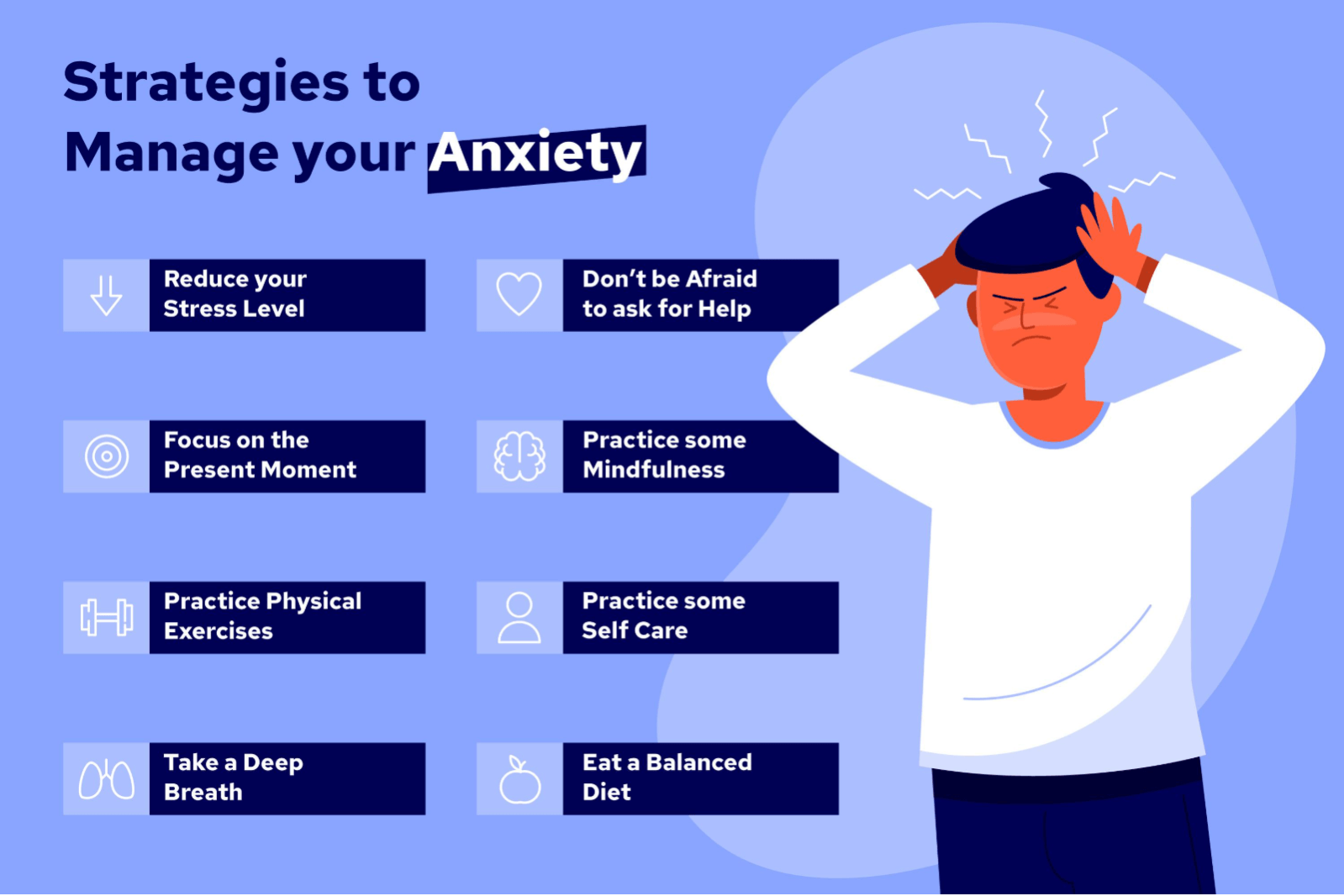
In addition to Anxiety Pens, there are many other scientifically proven effective methods for relieving anxiety:
Exercise:
3-4 sessions of aerobic exercise per week can promote dopamine secretion. Exercise not only helps improve physical health but also has a positive impact on mental health. Aerobic exercises such as running, swimming, and cycling can stimulate the brain to secrete endorphins and dopamine, which are known as “happy hormones” and can boost mood and reduce symptoms of anxiety and depression. Moreover, exercise helps people release stress, enhancing self-confidence and the sense of self-control.
Meditation:
10 minutes of mindfulness meditation every day can regulate brain neural activity. Mindfulness meditation is a practice that focuses on the present moment, helping people cultivate awareness and concentration by paying attention to breathing, physical sensations, and thoughts. Research shows that long-term practice of mindfulness meditation can change the structure and function of the brain, increasing the activity of brain regions related to emotion regulation and reducing brain activity associated with anxiety and stress. Many people can better cope with life’s pressures and challenges and maintain inner peace and tranquility by practicing 10-15 minutes of mindfulness meditation daily.
Psychological Counseling:
Guidance from professionals can address the root causes of anxiety. Psychologists can gain an in-depth understanding of the causes of anxiety through communication with clients and provide targeted solutions. They can use various methods such as cognitive-behavioral therapy (CBT) and psychodynamic therapy to help clients change negative thinking patterns and behavioral habits, thus fundamentally relieving anxiety symptoms. For those who have been troubled by anxiety for a long time and are unable to relieve it on their own, seeking the help of professional psychologists is essential.
Healthy Diet:
Consume more foods rich in Omega-3 fatty acids and B vitamins. Some foods are rich in nutrients beneficial to the brain, which can help regulate emotions and reduce anxiety. For example, deep-sea fish (such as salmon and tuna) are rich in Omega-3 fatty acids, which can reduce inflammation in the brain, improve nerve cell function, and thus relieve symptoms of anxiety and depression. Whole grains, meats, eggs, etc., are rich in B vitamins, which play an important role in the synthesis and metabolism of neurotransmitters. A lack of B vitamins may lead to emotional instability and anxiety.
Using these methods comprehensively is more effective than relying on a single product. Anxiety is a complex psychological state often caused by multiple factors. Therefore, adopting a comprehensive approach to deal with anxiety can improve physical and mental health from multiple aspects and enhance the quality of life. For example, while exercising, combining meditation and a healthy diet, and seeking psychological counseling when necessary can more comprehensively relieve anxiety symptoms and prevent the recurrence of anxiety.

What’s the Difference Between a Vape and an Anxiety Pen?
Comparison of Appearance and Usage
The two have similar appearances, but Anxiety Pens generally emphasize the functionality of “anxiety relief” more. Some products are equipped with unique designs, such as pressure-sensitive buttons. Vape products have more diverse designs; some focus on fashionable and personalized appearances, while others emphasize performance and atomization effects. In contrast, Anxiety Pens tend to highlight their anxiety-relief function in design. For example, some products may have slogans or patterns related to anxiety relief on the shell, or be equipped with special function buttons like pressure-sensitive buttons, which can release a specific dose of relief ingredients when the user feels anxious.
Differences in Ingredients and Uses
Vapes have complex ingredients and may contain nicotine, flavorings, or even THC, while Anxiety Pens mainly feature natural soothing ingredients and focus on emotional regulation. The main uses of Vape products include substituting traditional cigarettes, satisfying the craving for smoking, and pursuing different flavor experiences. Some Vape products add various flavorings, such as fruit flavors and dessert flavors, to attract consumers. THC is the psychoactive component in cannabis. Although in some regions, Vape products containing low-dose THC are used for medical purposes, in most places, products containing THC are illegal. In comparison, the ingredients of Anxiety Pens pay more attention to naturalness and safety, aiming to regulate emotions and gently relieve anxiety, rather than pursuing the pleasure of smoking or other entertainment purposes.
Risks and Recommendations for Using Anxiety Pens
Analysis of Potential Risks
Currently, due to insufficient market supervision, some products have issues such as false ingredient labeling and substandard quality. Long-term use may cause lung discomfort or mask the real causes of anxiety due to psychological dependence. As the Anxiety Pen market is relatively new and the regulatory system is not yet perfect, some unscrupulous merchants may add unlisted ingredients to products or exaggerate product efficacy to pursue profits. For example, some products claim to contain a high concentration of CBD, but actual test results are much lower than the labeled content. In addition, long-term inhalation of unknown substances may damage the lungs, causing respiratory symptoms such as coughing and wheezing. Moreover, if overly relying on Anxiety Pens to relieve anxiety, the real causes of anxiety, such as life stress and psychological problems, may be ignored, thus delaying treatment.
Reasonable Usage Recommendations
Choose products certified by third-party organizations. Third-party certification agencies conduct strict inspections on product ingredients, safety, and quality. Selecting certified products can ensure product reliability to a certain extent. For example, look for products certified by the US Food and Drug Administration (FDA) or other authoritative institutions.
Follow the usage instructions and control the frequency of use. Don’t overuse Anxiety Pens in pursuit of quick anxiety relief. Use them according to the product instructions to avoid adverse effects on the body.
Consult a doctor before use, especially for those with underlying medical conditions. For people suffering from lung diseases, cardiovascular diseases, or other chronic diseases, using Anxiety Pens may pose certain risks. Consult a doctor before use to ensure that the product is suitable for your physical condition.
Conclusion
Anxiety Pens may offer instant anxiety relief, but they cannot replace a healthy lifestyle and professional treatment. When trying such products, it’s essential to stay rational and weigh the pros and cons. Remember, true mental health requires scientific methods and continuous efforts. Although Anxiety Pens provide a new option for relieving anxiety, they are not a panacea. Combining multiple methods, such as exercise, meditation, a healthy diet, and psychological counseling, can fundamentally improve mental health and effectively deal with anxiety problems. At the same time, consumers should be vigilant when choosing and using Anxiety Pens, pay attention to product safety and quality, and avoid bringing health risks due to blindly following.