Vaping has changed the way many people consume nicotine—or avoid it altogether. Over the past few years, more users have switched to nicotine-free vapes believing they are safer and healthier. After all, no nicotine means no addiction, right?
But here’s the catch: even if a vape doesn’t contain nicotine, that doesn’t automatically make it harmless. Many experienced vapers are starting to ask deeper questions, like “Can vaping without nicotine still hurt my lungs?” or even more specifically, “Can you actually get herpes from vape if you share one?”
In this article, we’ll dive into the hidden risks of vaping without nicotine, explore whether viruses like herpes can be transmitted through shared devices, and look at why some people use nicotine-free vapes for anxiety. By the end, you’ll have a clearer understanding of how “harmless” vaping might not be so harmless after all.

What’s Inside a Nicotine-Free Vape?
Understanding the Ingredients
Even without nicotine, vape juice usually contains propylene glycol (PG), vegetable glycerin (VG), flavorings, and sometimes additives to enhance vapor density or sweetness. When these ingredients are heated, they produce aerosol—tiny liquid particles that enter your lungs.
Studies from Medical News Today and ARU University show that heating these compounds can release volatile organic chemicals (VOCs), formaldehyde, and acrolein, all of which can irritate your respiratory tract.
How It Works in the Body
When you inhale, aerosolized particles pass through your mouth and into the lungs. From there, they travel through your bloodstream, potentially causing inflammation or oxidative stress. Even if nicotine isn’t present, other components can still trigger biological reactions.
Simply put: removing nicotine reduces one risk—addiction—but doesn’t eliminate all others.
Is a Nicotine-Free Vape Really Safe?
The Short Answer: No Vape Is 100% Safe
Even so-called “nicotine-free” options aren’t completely without risks. A 2019 NHLBI study found that even short-term exposure to vapor from non-nicotine e-cigarettes can damage blood vessels and affect circulation.
Health Effects Observed
- Respiratory irritation: Some vapers experience coughing, shortness of breath, or throat dryness.
- Inflammation: Long-term use can trigger chronic irritation of airways, similar to asthma.
- Oxidative stress: Chemicals released during vaporization can harm cells and DNA over time.
- Unknown long-term effects: Because vaping is relatively new, researchers still don’t fully understand its cumulative health impact.
In other words, “nicotine-free” doesn’t automatically equal “risk-free.”
Can You Get Herpes from Vape?
How Herpes Spreads
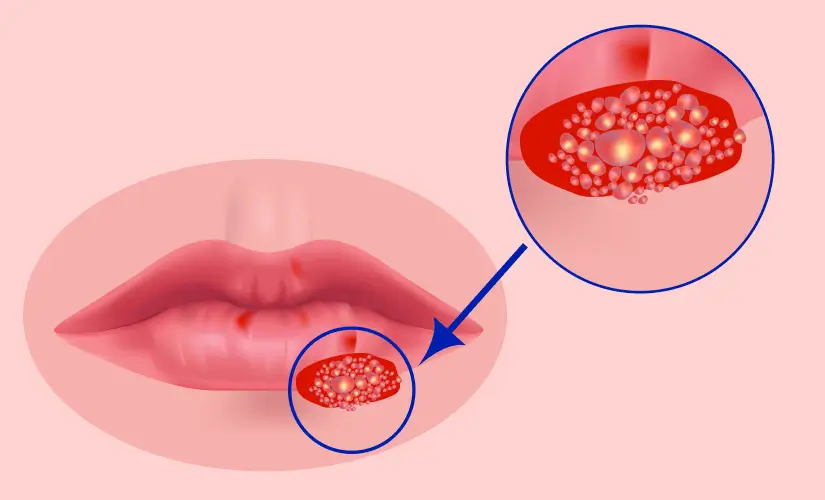
The herpes simplex virus (HSV) spreads through direct contact with infected saliva, skin, or mucous membranes. It can also survive briefly on surfaces—especially moist ones like vape mouthpieces.
When two people share a vape, the risk increases if one has an active cold sore or oral herpes lesion. Viral particles can cling to the mouthpiece and transfer when the next person inhales.
Scientific and Real-World Evidence
While direct documented cases are rare, the theoretical risk is medically recognized. A 2023 case published on ResearchGate described a patient with both Candida and HSV esophagitis, potentially linked to vaping habits.
Experts from SkeVape.com also warn that sharing mouthpieces could allow viruses or bacteria—like HSV, flu, or strep—to spread, especially if users have oral injuries or poor hygiene.
What Increases the Risk
- Using someone else’s vape while they have a visible cold sore
- Moisture and residue left on mouthpieces
- Lack of disinfection between users
- Active herpes infection or cracked lips
So yes—while it’s not the most common transmission route, you can get herpes from sharing a vape under certain conditions.
To stay safe, never share your vape, and always clean the mouthpiece before and after use.
Vaping Without Nicotine for Anxiety: Does It Work?
Why People Do It
Many vapers say that inhaling and exhaling vapor helps them feel calm. For them, vaping becomes a stress-management ritual—especially when they’re trying to quit nicotine. The action itself, not the substance, offers comfort.
That’s why vaping without nicotine for anxiety has become popular. It feels like a safer alternative to smoking or medicating, and it mimics the sensation of control and relaxation.
What Science Says
Unfortunately, scientific support for this claim is weak. While vaping might provide temporary relief through behavioral distraction, it doesn’t treat the underlying causes of anxiety. In fact, relying on vaping for calm can create psychological dependence, where you associate stress relief solely with vaping.
Potential Risks
- False sense of safety (“it’s nicotine-free, so it’s fine”)
- Habit reinforcement that mimics nicotine addiction
- Delayed treatment for real anxiety disorders
- Exposure to harmful vapor compounds unnecessarily
If you’re using vaping for anxiety, consider alternative coping strategies—like breathing exercises, mindfulness, or professional therapy—rather than turning it into a long-term habit.
How to Vape Safely (If You Still Choose To)
Clean Habits to Prevent Infections
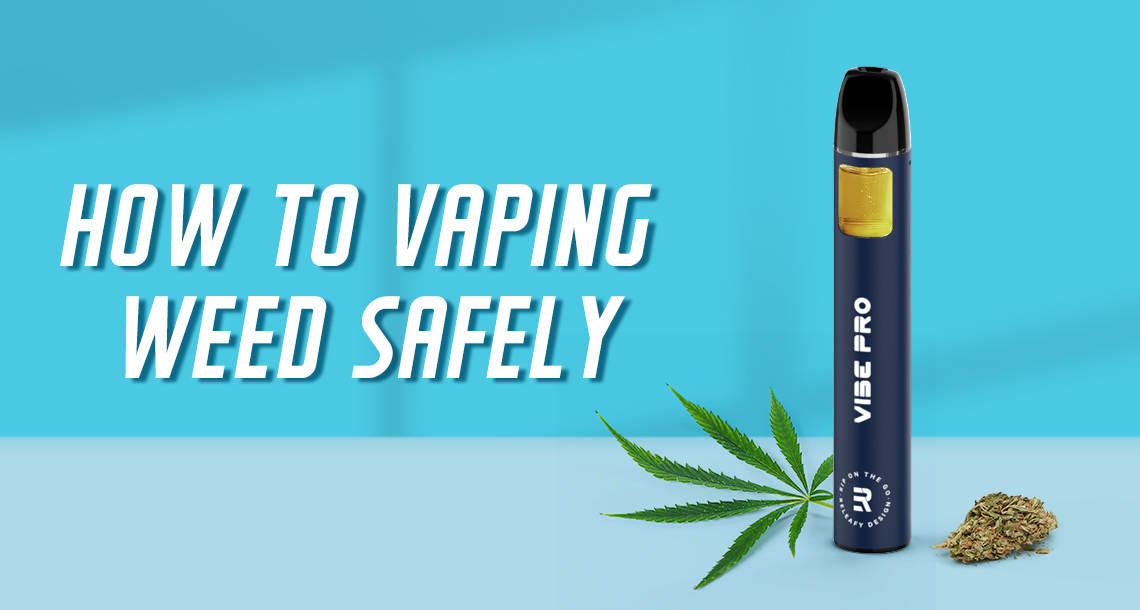
- Never share your vape device with anyone—even close friends.
- Clean your mouthpiece regularly using alcohol wipes or warm soapy water.
- Avoid vaping when you have open sores or cracked lips.
- Replace drip tips if you notice buildup, residue, or discoloration.
- Store your vape safely, avoiding moisture and extreme temperatures.
Choose High-Quality Products
If you still enjoy vaping, make sure to buy from trusted brands that disclose all ingredients. Avoid suspicious “cheap juice” or homemade liquids that may contain unregulated chemicals.
For Anxiety Management
- Pair vaping reduction with relaxation techniques.
- Limit usage to specific times rather than using it all day.
- Keep track of your mood—notice whether vaping really helps or just distracts you.
Frequently Asked Questions
Why do people use nicotine-free vapes for anxiety?
Many people find the physical act of vaping soothing, similar to deep breathing. However, this effect is temporary and can lead to habit dependence.
How can I tell if my vape truly has no nicotine?
Always check the manufacturer’s label and lab test results. Some products labeled “nicotine-free” have been found to contain trace amounts.
What should I do if I feel throat or chest irritation after vaping?
Stop using your device and consult a healthcare professional. Persistent symptoms could indicate sensitivity or early airway inflammation.
Conclusion
While nicotine-free vapes may seem harmless, they still expose your body to chemical aerosols that can harm your lungs and blood vessels. Sharing a vape also increases your risk of infections like herpes, even if that risk is relatively low.
Vaping without nicotine might help manage anxiety temporarily, but it can also create new dependencies and health issues.