When I first looked into nicotine vape, I realized the topic was far more complex than it seemed. Nicotine is not only about addiction but also about how it affects the body, how long it stays in the system, and what alternatives exist for those who want to avoid it. With vaping now a multi-billion-dollar industry — valued at over $24 billion globally in 2023 and projected to keep growing — understanding nicotine use has never been more important. In this article, I will compare nicotine in cigarettes and vapes, explore how it interacts with the body, and discuss choices like nicotineless vape and no nicotine vapes.

Understanding Nicotine in Vapes
How much nicotine is in one cigarette compared to a vape?
An average cigarette contains 10–12 mg of nicotine, but the body absorbs about 1–2 mg per cigarette. Vapes, however, measure nicotine in milligrams per milliliter (mg/ml). A bottle labeled 6 mg/ml with 30 ml of liquid contains 180 mg total. The actual intake depends on how often you vape, the coil resistance, and device wattage.
A 2022 survey by the U.S. FDA showed that pod systems with higher nicotine strengths (20–50 mg/ml) are popular among heavy smokers transitioning to vaping. Meanwhile, lighter options such as 3–6 mg/ml e-liquids suit casual users. Knowing your smoking history is key to finding the right level.
How long does nicotine last in your system?
Nicotine enters the bloodstream within seconds of inhalation. The stimulating effects — like alertness or mild relaxation — typically last 30 minutes to 2 hours. But nicotine’s presence in the body extends far longer. After vaping, nicotine levels drop quickly, yet metabolites such as cotinine remain measurable.
Compared with smoking, vapes may deliver steadier nicotine doses, especially when using devices designed for salt nicotine. This explains why many smokers find nicotine vapes more satisfying than nicotine gum or patches.

How Nicotine Affects the Body
Does nicotine make you lose weight?
Nicotine slightly increases metabolic rate and may suppress appetite. This is why many smokers and vapers notice reduced hunger. However, a study from the National Institutes of Health (NIH) confirmed that the effect is mild and not a safe or sustainable weight control method. Using a nicotine vape purely for weight loss is risky, as it can lead to long-term dependence.
How long does nicotine stay in your body?
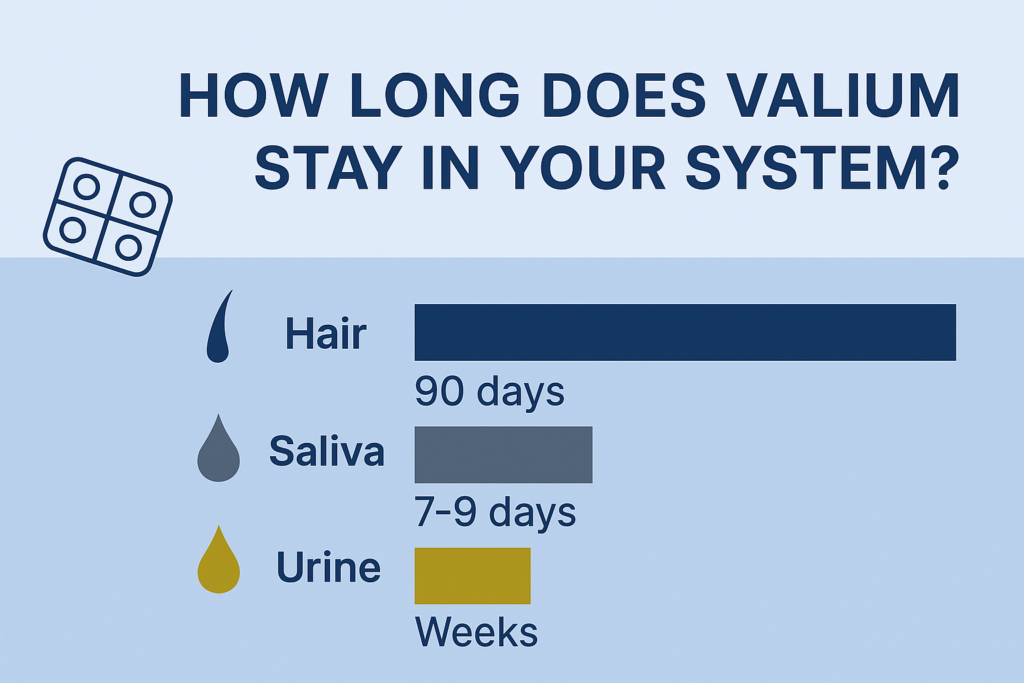
Nicotine itself usually clears from the bloodstream within 1–3 days, but cotinine, its main byproduct, can be detected longer:
- Blood tests: up to 3 days
- Urine tests: 3–4 days
- Hair tests: up to 90 days
For heavy users, traces may linger even longer. This matters for people preparing for medical tests, insurance screenings, or quitting programs.

Alternatives to Nicotine Vape
Nicotineless vape options
Nicotineless vape products are now widely available. These liquids contain flavorings but no nicotine, offering the sensory experience of vaping without the addictive element. Many former smokers prefer them after tapering down nicotine use.
Synthetic nicotine vs natural nicotine
Synthetic nicotine is created in labs without using tobacco leaves. It is chemically identical to natural nicotine but is not classified as a tobacco product in some markets. This loophole once allowed brands to market products differently, though new FDA rules in the U.S. now regulate synthetic nicotine as strictly as natural nicotine. Users often describe synthetic nicotine as smoother, with fewer harsh notes.
No nicotine vapes and their benefits
No nicotine vapes are growing in popularity among young adults and wellness-focused users. They help replicate the hand-to-mouth habit while reducing the risk of addiction. For people who enjoy vaping flavors like mango, mint, or dessert blends, zero-nicotine e-liquids provide a way to keep the lifestyle without the same health concerns tied to nicotine.
Practical FAQs About Nicotine and Vaping
How long is tobacco detectable in your system?
Tobacco smoke contains thousands of chemicals beyond nicotine. Carcinogens and tar byproducts can remain in the body for weeks. In contrast, vaping delivers nicotine without combustion, which means fewer long-term residues. This is a major reason some smokers switch to vapes.
Is vaping with no nicotine safer?
Switching to vape with no nicotine eliminates addiction risk and avoids nicotine-related side effects like increased heart rate. Still, vapes may contain flavorings that are under scientific review. While no nicotine vapes are generally considered safer, experts recommend them mainly for people moving away from smoking or those who want to enjoy flavors without health trade-offs.
Conclusion
From nicotine content to how long it stays in your system, the facts reveal both benefits and risks. Nicotine vape can be a powerful tool for smokers trying to quit, but it is not risk-free. Alternatives such as no nicotine vapes and nicotineless vape give users choices that reduce dependence.