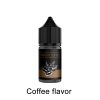
In recent years, the vape market has shown a rapid expansion trend. According to data from market research institutions, the global vape market size will be approximately US$24.55 billion in 2023 and is expected to reach US$29.3 billion in 2028, with a compound annual growth rate (CAGR) of 3.6% from 2023 to 2028. This data shows that the vape market has strong growth potential worldwide.
The origin of electronic cigarettes can be traced back to the 1960s. It was originally designed as a new product to replace traditional tobacco. With the continuous advancement of technology, electronic cigarettes have gradually developed into a product with unique advantages. Compared with traditional tobacco, electronic cigarettes have the characteristics of no smoke, no tar, no odor, etc. At the same time, they can also meet the needs of different consumers by adjusting the amount of smoke and taste.
Globally, the size of the vape market continues to expand. Especially in some developed countries, vapes have become a mainstream tobacco substitute. For example, the vape market in the United States, the United Kingdom, Japan, and other countries is very large. In addition, the vape market in some emerging market countries is also showing a rapid growth trend.

Technological innovation leads the trend
Modular vapes become mainstream
Modular vapes are becoming a market favorite, leading to a new technological trend. They design components such as batteries, atomizers, and pod vapes into modules that can be freely disassembled and replaced, bringing many conveniences to users.
Take a well-known brand as an example. This brand uses a magnetic connection, and users can easily change modules with just a light suction. This design not only meets the needs of different scenarios, such as carrying spare battery modules when traveling to extend battery life but also enables personalized customization. Users can choose modules of different colors and styles according to their preferences.
In terms of performance, modular electronic cigarettes have obvious advantages. It solves the problem of traditional electronic cigarettes being scrapped due to component damage and reduces the cost of use. When the atomizer fails, just replace the atomizer module. In addition, modular electronic cigarettes also make upgrades easy. Manufacturers can develop new modules independently, and users can purchase upgrades according to their needs, to enjoy the latest technology experience.
Market data shows that the modular vape market share has increased by 15% in the past year and is expected to continue to grow at an annual rate of 20% in the next three years. This trend will drive the development of the vape market.
Intelligent, personalized, and healthy
With the development of technology, the vape industry is moving towards intelligent, personalized, and healthy vape.
The advancement of atomization technology is the key to the development of the vape industry. The new generation of ceramic atomization cores are resistant to high temperatures and have strong stability. They heat the e-liquid more evenly, and the smoke is fine and full, with high reduction and better taste. Some high-end products are also equipped with intelligent temperature control systems that can adjust the temperature according to the e-liquid composition and smoking habits to improve safety.
Innovation in battery technology is also very important. High-capacity, fast-charging batteries extend battery life and reduce charging hassles. Some products use advanced lithium batteries that can be used for a day after charging for 15 minutes.
Smart control technology makes vapes more technologically attractive. Through sensors and Bluetooth connection to the mobile phone APP, it can monitor the battery level and the remaining amount of e-liquid in real-time, record smoking habits, and provide health advice. It can also adjust the smoke volume, temperature, and other parameters according to the user’s preferences.
In the pursuit of health, many brands have launched products containing natural plant extracts. These products reduce harm to the human body and have a variety of flavors. For example, a certain brand of electronic cigarettes sold more than 100,000 units in one month after its launch, and was sought after by the market.

Evolution of market competition
Brand competition is fierce
The competition among brands in the current vape market is fierce. Internationally, brands such as Vuse under British American Tobacco and Logic under Japan Tobacco have occupied a large share of the mature markets in Europe and the United States with their deep accumulation, R&D strength, and distribution network. For example, Vuse continues to invest heavily in R&D and launches several new products every year. The flavors of the cartridges are diverse to meet different preferences, and its market share in the United States exceeds 20%.
In the domestic market, local brands such as RELX, Yuzu, and AME have emerged to compete with international brands. RELX is positioned as high-end, fashionable, and healthy, targeting young, fashionable, and quality-conscious consumer groups. Its products have good taste, smoke, and battery life, and provide personalized customization. It also launches limited editions through cross-border cooperation. Through multi-channel marketing, its domestic market share has exceeded 60%.
Nowadays, brand competition has diversified dimensions, beyond product quality and price competition, and expanded to brand image building and social responsibility practice. Enterprises focus on building visual identification systems and engaging in public welfare to win trust and recognition and stand out.
Increased concentration
As market competition intensifies, the concentration of the vape market has increased significantly. Data from market research institutions show that the total market share of the top ten vape brands in the world will increase from 30% in 2018 to 50% in 2023, and there is still an upward trend. This situation is even more obvious in the Chinese market, where leading brands use their advantages to expand their territory and squeeze small and medium-sized brands.
Tightening policy supervision is a key factor. Governments around the world have strict control over the quality, safety, and ingredients of vape products. For example, the US FDA has set strict approval standards for listing, and China has implemented national standards for e-liquid and nicotine content. Small and medium-sized brands have been eliminated due to limited funds and technology and difficulty in meeting standards.
Amid fierce competition, the scale effect of leading brands highlights their cost advantages. They can invest more resources in R&D, marketing, and channel expansion. They launch high-end products such as smart temperature control, integrate omnichannel marketing online and offline, and deploy multiple types of sales terminals to increase market share and consolidate their position. In the future, the leading brands in the vape market will have a more stable dominant position, and the concentration is expected to continue to rise.
Consumer groups and demand changes
Young people become the main consumer group
Young people are gradually becoming the main force of vape consumption. Consumers aged 18-35 in the European and American markets account for more than 60% of the total number of vape users, and this proportion in China is nearly 50%. vapes meet their needs for fashion, personality, and social interaction.
In social situations, vapes are a new medium for young people to communicate. The smoke is diverse and fresh, which reduces interference with others compared to traditional cigarettes. Young people can smoke freely at gatherings and parties to avoid the embarrassment of secondhand smoke. For example, at parties in European and American universities, vapes have become a “social tool” for young people to share tastes, exchange experiences, get closer to each other, and form social circles.
Brands have captured this trend and launched products that cater to the tastes of young people. For example, a well-known brand cooperated with a fashion designer to create electronic cigarettes with a cool appearance and personalized patterns. The limited edition triggered a rush to buy, and it also used social media interactive marketing to invite Internet celebrities and KOLs to promote it, thereby enhancing its influence among young people.
Diversified and personalized needs
As consumers gain a deeper understanding of vapes, their demands become more diverse and personalized.
In terms of taste, the flavors have expanded from traditional tobacco and mint to fruits, desserts, beverages, etc. Fruit-flavored vapes are 70% popular among young consumers, and popular fruit flavors such as strawberry satisfy their novel taste experience.
In terms of functional requirements, in addition to smoking cessation assistance, there are higher requirements for portability, battery life, and smoke volume adjustment. Consumers on business trips and travel prefer small, light, and long-lasting products. Players who pursue large smoke pay attention to power and atomization technology.
In terms of health and safety awareness, consumers strictly control the ingredients and materials of vapes and tend to choose organic nicotine, natural plant extract e-liquid, and food-grade materials.
In terms of appearance design, consumers want vapes to be fashion accessories. Customizable shells, colorful lights, and unique shapes are popular. For example, a certain brand of vapes with interchangeable shells has dozens of options, which has become a personal identity.

Sales channel dynamics
Online and offline integration is accelerating
Online shopping is convenient and informative, allowing consumers to easily browse multiple brands of vapes. Through e-commerce platforms, consumers can compare parameters, read reviews, and make decisions quickly. Brand flagship stores increase trust, and some brands use social media promotion to attract young consumers to place orders on e-commerce platforms.
Offline experience is also important. Physical stores allow consumers to directly experience the grip, ease of operation and taste of the product. There are professionals at specialty stores or authorized dealers to provide introductions, guidance, and answer questions.
For example, a well-known vape brand pushes information and organizes activities to attract traffic through its official online website and e-commerce flagship store. It also opens hundreds of offline experience stores in core business districts and shopping malls in many places. The decoration is stylish and comfortable, with experience areas for free trials. The online and offline membership systems are connected, and consumers can accumulate points regardless of online or offline consumption, achieving a seamless shopping experience.
Channel sinking to expand space
The vape market in first- and second-tier cities is becoming increasingly saturated, and channel expansion has become a new direction for the industry.
Low-tier cities have great consumption potential, and the consumption concept of young people in small towns is close to that of cities, with high acceptance and consumption capacity. There are many potential consumers of vapes in third- and fourth-tier cities and the growth rate is fast.
Brands have captured this trend and accelerated their layout in low-tier cities. On the one hand, they recruited local agents and franchisees to open exclusive stores and authorized stores. On the other hand, they cooperated with convenience stores, supermarkets, Internet cafes, and other retail terminals to expand distribution channels.
For example, a brand launched a special product combination and promotional activities in the sinking market, such as large-capacity cartridges and affordable packages, combined with holiday promotions and buy-one-get-one-free deals. Monthly sales in some counties increased by more than 50%, highlighting the strong driving force of channel sinking.
Regulatory policy trends
As the vape market develops, regulatory policies become key to the industry. Countries have introduced policies to regulate the market and protect health.
The U.S. Food and Drug Administration (FDA) has strengthened vape regulation since 2020, requiring products to pass PMTA approval. By the end of 2024, only some products from a few brands were approved, and a large number of unqualified products were removed from the shelves.
The EU adjusted its regulatory policy, and Belgium banned the sale of disposable vapes on January 1, 2025. France, Germany, and other countries are preparing stricter plans to restrict advertising and standardize packaging.
China’s State Tobacco Monopoly Administration will establish a vape regulatory system starting in 2022, requiring companies to produce and sell vapes with a license and prohibiting the sale of vapes to minors. It will also set standards for product quality, ingredients, and packaging.
These policies will increase corporate compliance costs and extend R&D cycles in the short term. In the long term, they will purify the market and promote standardized development of the industry. Only by keeping up with policies, increasing R&D, and ensuring compliance can companies move forward in the regulatory wave.
International expansion trend
Under the global economic integration, the vape industry has a clear trend of internationalization.
Currently, Europe and the United States are the main consumer markets for vapes. The size of the U.S. vape market is about $8.3 billion, accounting for more than 80% of the market share in the Americas. Europe is expected to reach $11.5 billion in 2028, with a compound annual growth rate of 3.2% from 2022 to 2028.
The Chinese vape market started late but has developed rapidly. With its manufacturing base and supporting industrial chain, China has become the global vape production and manufacturing center, supplying more than 90% of products.
Chinese vape companies have many advantages in going overseas. First, they have cost advantages. Domestic raw materials, processes, and labor are mature and efficient, and product prices are highly competitive. Second, they pursue innovation and can quickly respond to the diverse demands of the international market.
However, Chinese companies face challenges in overseas expansion. Regulatory policies vary greatly from country to country. For example, the US FDA has strict approval procedures, while the EU regulates advertising and packaging labels. There are also differences in culture and consumer habits.
If Chinese vape companies want to gain a firm foothold in the international market, they must focus on brand, quality, and service. They can increase their visibility by participating in exhibitions and sponsoring events, increase investment in research and development to ensure quality, and establish an overseas after-sales system to respond to demand promptly.
Future Outlook of the Industry
Looking ahead to 2025, the vape industry will face both opportunities and challenges.
On the one hand, technological innovation promotes product upgrades to meet diverse individual needs, while market competition prompts companies to optimize their brands, improve quality, enhance services, and expand market share.
On the other hand, as regulations become stricter, companies need to invest resources to ensure compliance.
For vape companies, keeping up with technology, understanding demand, and adapting to policies are the key to gaining a foothold. Continue to innovate, launch high-quality products, strengthen brand building, expand diversified sales channels, and tap into domestic and foreign market potential.
The industry is expected to move forward in a regulated manner and provide better smoking alternatives to consumers around the world.