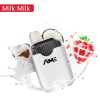
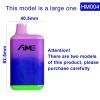
The common vape oil capacity varies widely. The small ones, like 1.5ml and 2ml, are often the capacities of the pods in pod-style vapes. These pod-style vapes are designed to be portable and compact. For example, a popular brand of pod-style vape on the market has a pod capacity of around 1.5ml. Its small size makes it easy to carry around, allowing users to enjoy vaping at any time. A 2ml pod capacity is also quite common. It can ensure a certain number of puffs while taking into account the overall size of the product. Structurally, the pod consists of an atomizer core, an oil tank, and an airway. The atomizer core and the airway take up space, leaving limited space for the oil tank. So, it’s difficult to significantly increase the capacity.
On the other hand, 30ml of vape oil is mainly for players who pursue large-volume vapor and a personalized experience. Users of refillable large-sized vapes can freely change to large-capacity vape oils of different flavors according to their preferences and fully enjoy the fun of DIY. This large-capacity vape oil meets the long-term use needs of players, eliminating the need to frequently change pods or refill vape oil.

Vape Oil Capacity ≠ Actual Puffs
The relationship between vape oil capacity and actual puffs is not a simple linear one. It is also affected by factors such as condensate accumulation, atomization particle size differences, and draw resistance design.
Condensate Accumulation
Take GIFTVAPE Liwu W as an example. Its atomization pod has a capacity of 2ml, which is relatively large among pod-style vapes. Its unique wide-mouth mouthpiece design makes the taste more full-bodied and the vapor volume larger. However, it also causes condensate to accumulate easily in the airway. Many users have reported that after using it for a while, they need to clean the condensate frequently. Otherwise, it will affect the puffing experience, such as increased draw resistance and a worse taste. In severe cases, it may even prevent the vape oil from atomizing properly, shortening the actual usable time of the vape oil.
Atomization Particle Size Differences
Look at a certain brand of refillable large-sized vape equipped with a 30ml large-capacity vape oil bottle. It uses advanced atomization technology to produce finer atomization particle sizes. These fine atomized particles can make the vape oil be atomized and absorbed more fully, providing a stronger sense of satisfaction with each puff. Compared with some products with larger atomization particle sizes, it consumes vape oil more slowly at the same number of puffs. Players can use less vape oil to get a more lasting and better experience. For example, when using this large-sized vape, 30ml of vape oil can usually last about a week. But if using other products with larger atomization particle sizes, it may only last four or five days.
Draw Resistance Design
Draw resistance design also affects the usage time of vape oil. Some vape products have a relatively high draw resistance, simulating the puffing experience of traditional cigarettes. Users need to puff harder to get the vapor. In this case, the vape oil consumption speed is relatively slow. While products with low draw resistance are easy to inhale and produce a large amount of vapor, and the vape oil consumption speed may be faster. For example, a certain pod-style vape, in pursuit of a large vapor volume, reduces the draw resistance. Users have reported that the vape oil consumption is faster than that of other products with the same capacity, and the battery life is slightly shorter.
Factors Affecting Vape Durability
(1) Vape Oil Capacity
Generally speaking, the larger the vape oil capacity, the longer the vape can be used. For example, a 2ml pod can usually last a light user for 1-2 days under normal use. While 30ml of bottled vape oil can last a moderate-frequency user for about a week or even longer. Large-capacity vape oil reduces the frequency of refilling. For some players who are often out, carrying large-capacity vape oil, they don’t have to worry about running out of vape oil in a short time and can enjoy vaping at any time.
(2) Usage Frequency
If a user puffs the vape frequently, the vape oil consumption speed will naturally increase. Take pod-style vapes as an example. A heavy user who takes a large number of puffs every day may use up a 1.5ml pod in one day. While a light user who only takes a few puffs a day may be able to use a pod for 3-4 days. So, usage frequency determines the actual consumption time of vape oil. The more frequently it is used, the shorter the vape’s battery life.
(3) Device Type
Cloud-chasing vapes, which pursue a large vapor volume, usually come with high-power atomizers and low-resistance atomizer cores. When cloud-chasing vapes are working, they generate a lot of heat and can quickly atomize more vape oil into a large amount of vapor, resulting in a fast vape oil consumption speed. For example, some cloud-chasing players may use up 30ml of vape oil in two or three days. Ordinary vapes, especially pod-style vapes that mainly serve as cigarette substitutes, have a lower power. They pursue a puffing experience and taste that are closer to traditional cigarettes, and the vape oil consumption is relatively slow. For example, common pod-style vapes, even with a pod capacity of only 1.5-2ml, can meet the daily use needs of light to moderate users.

Comparison of Four Mainstream Oil Tank Structures
Product Types
There are various types of vape products, mainly including pod-style vapes, disposable vapes, refillable large-sized vapes, and pod-system vapes. Pod-style vapes such as RELX and MOTI are popular among the public for their portability and easy operation. Their pod capacities are mostly 1.5-2ml. Disposable vapes have a simple design and are discarded after use. Their vape oil capacities are generally 2-5ml. Refillable large-sized vapes are suitable for players who pursue large-volume vapor and personalization. Users can choose vape oils by themselves, and the common capacity of bottled vape oil is 30ml. Pod-system vapes combine the characteristics of pod-style vapes and refillable large-sized vapes, and their vape oil capacities are usually 2-4ml. If you are a light user, pod-style vapes or disposable vapes can meet your needs. Heavy users can choose refillable large-sized vapes or large-capacity pod-system vapes.
Nominal Capacity
The nominal capacity is the vape oil capacity marked on the product. High-quality vape devices are more sophisticated in design and manufacturing processes, which can reduce the waste of vape oil during storage and use. For example, some high-end pod-style vapes use advanced sealing technology and structural design. The vape oil is stable in the pod, reducing volatilization and leakage, making the actual available vape oil close to the nominal capacity. While some low-price and low-quality products may have a certain loss of vape oil before use due to poor sealing and unreasonable structure, and the actual available vape oil is less than the nominal capacity.
Actual Available Amount
The actual available amount refers to the amount of vape oil that users can actually use. Besides device factors, vape oil quality also affects the actual available amount. High-quality vape oil has high purity and few impurities, and the atomization effect is good. Each puff can be fully utilized, reducing waste. For example, some well-known brand vape oils use high-quality raw materials and advanced production processes, with fine and uniform atomization, allowing players to get a sense of satisfaction with less vape oil. Low-quality vape oil has many impurities, which may clog the atomizer core, affect the atomization effect, and cause the vape oil to be wasted without being fully atomized, reducing the durability of the vape.
Leakage Rate
Leakage is a common problem that affects the durability and user experience of vapes. An unreasonable design of the pod sealing structure, poor-quality materials, external force extrusion during use, or temperature changes can all cause leakage. For example, in some pod-style vape products, the connection between the pod and the battery rod is not well-sealed, and vape oil easily seeps out from the interface during the user’s carrying process. Temperature changes can also cause the vape oil to expand and contract. If the pod’s sealing performance is not good, leakage is likely to occur. Choosing vape products with good sealing performance and reliable quality can reduce the risk of leakage, extend the use time of vape oil, and improve the durability of the vape.
Conclusion
Different types of vapes vary in vape oil capacity and other aspects. Consumers should choose according to their own needs and habits. For example, light users can choose pod-style vapes or disposable vapes, while heavy users are suitable for refillable large-sized vapes or large-capacity pod-system vapes. When choosing vape products, pay attention to product quality and vape oil quality. High-quality products and vape oils can reduce losses and enhance the user experience.